
February 17, 2026
Issue 107: A Bulletin for Big Ideas and Better Business
How the world’s biggest brands navigate crisis: Nick Tran on why creativity is the only real advantage.
Read newsletter
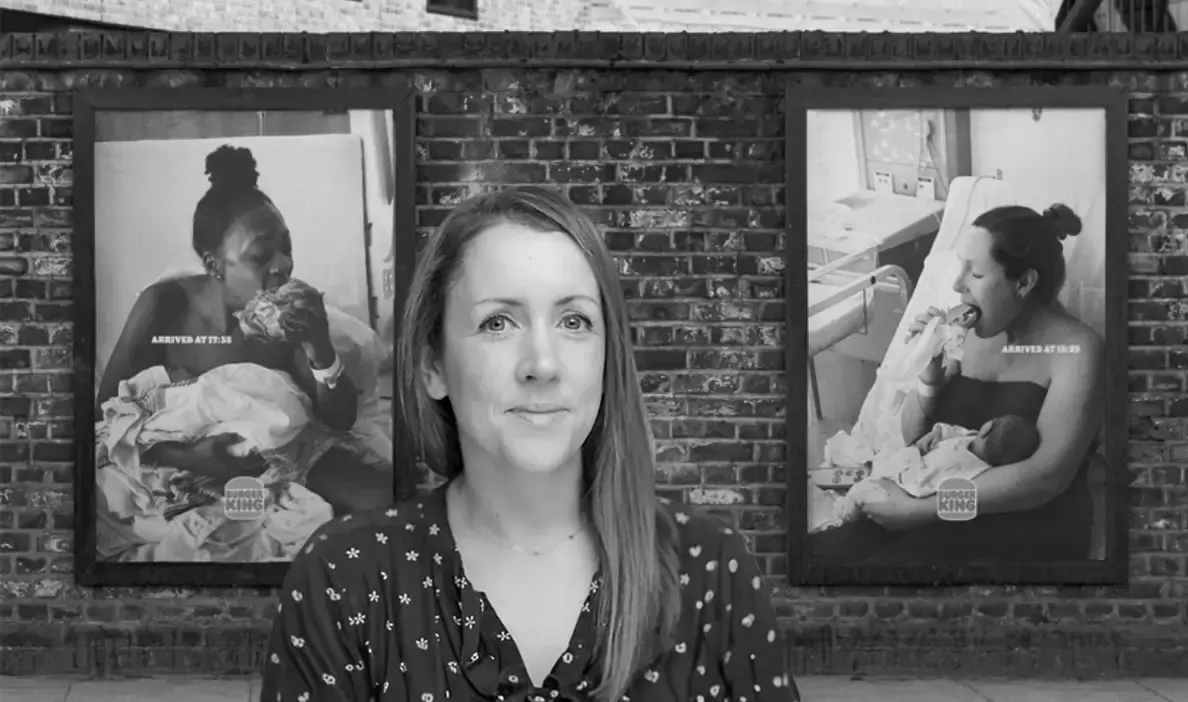
Why creative bravery requires more than a confident brand team - Katie Evans on belief, permission and shared risk in the boardroom.
March 3, 2026
Share this newsletter

Why creative bravery requires more than a confident brand team - Katie Evans on belief, permission and shared risk in the boardroom.
There are many great articles on the importance of empowering creative teams within business; increasing representation of CMOs at board level and leveraging this creativity, empathy and a deep customer understanding to influence broader business strategy.
I clearly don’t need to be convinced on this, having relied heavily on creativity to rebuild and reposition our brand for growth over the last eight years. While we were pedalling hard to innovate our menu and remodel our restaurants, creativity became our not-so-secret superpower; fast-tracking customer engagement and giving us a cultural relevance and reach that belied our media budget.
Creativity became our not-so-secret superpower; fast-tracking customer engagement and giving us a cultural relevance and reach that belied our media budget.
But I often wonder if we should be asking another question: are we inviting enough CEOs and CFOs to the creative table? How many senior business leaders really understand the creative process and the insight and rigour that sits behind the work when it’s done well? Could we all do a better job of demystifying the “magic” behind excellent creative strategy so that it earns the trust and support from senior stakeholders on its wider commercial value.
At a time of economic uncertainty, budget constraints and cancel culture, business leaders may well be more risk averse. That said, playing it safe won’t drive brand differentiation and ultimately creative bravery becomes more important than ever before. However, it needs more than a confident brand team – it needs permission, trust and shared ownership from the top.
I am incredibly fortunate to work in a culture that embraces creativity having seen the value of this confidence to our brand, and business. The whole senior leadership team were in the room together with creative teams and agencies when we redefined our brand DNA back in 2018. They’ve continued to be in the room (or in this case, the WhatsApp chat) when we have a reactive idea, too good to put down. That consistency has created the creative freedom and business confidence that grows with every new idea and campaign. We take the risk together.
Some of our most successful campaigns started with a creative idea that made us uncomfortable. Interestingly, that gut feeling has become the internal barometer when assessing new creative – not just for the brand team, but for the wider business. After all, everyone’s a marketeer, right?
Some of our most successful campaigns started with a creative idea that made us
uncomfortable.

We asked Katie a couple of questions on how she personally relates to creativity, here’s what she had to say…
TBOC: What is your creative North Star?
KE: “Go Whopper or Go Home” has been our internal mantra and brand attitude ever since we relaunched Whopper back in 2019. We either go all in on a creative idea, or we don’t do it at all.
TBOC: What has inspired you lately?
KE: Lily Allen’s new album West End Girl – an unexpectedly candid, unvarnished window into her world and it felt real and brave, in a world full of polish and perfection.

Katie Evans is CMO at Burger King UK.
Related newsletters
February 17, 2026
How the world’s biggest brands navigate crisis: Nick Tran on why creativity is the only real advantage.
Read newsletterMarch 10, 2026
Authenticity is performative anyway. Why Michael Corcoran is doubling down on escapism instead.
Read newsletterMarch 25, 2025
What’s the hidden cost of collaboration? OpenAI’s Sora confirms biases. Apple builds its brand (and spends a fortune). And fashion houses prepare for the next era of luxury.
Read newsletter


62 Dean St, London W1D 4QF United Kingdom
© 2026 Business of Creativity. All rights reserved.

